
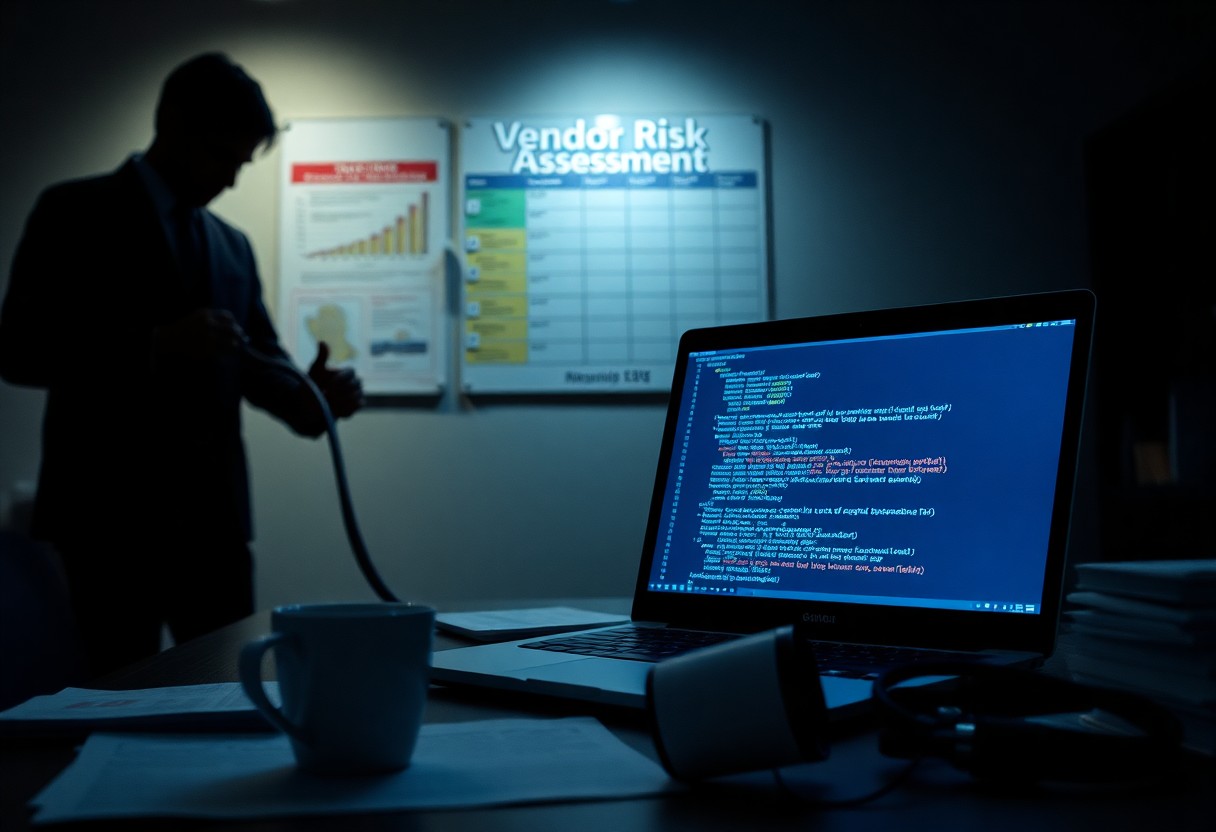
The Rise of Supply Chain Attacks — Your Vendor Could Be Your Weakest Link
Just as you secure your own systems, it’s vital to recognize that your vendors can be a significant vulnerability in your cybersecurity strategy. Supply chain attacks have surged, exploiting the trust relationships you form with your suppliers. By targeting your vendors, cybercriminals can gain access to your sensitive data and disrupt operations. Therefore, understanding these risks and implementing measures to assess and strengthen your vendor relationships could be pivotal in safeguarding your organization’s assets and reputation.
Key Takeaways:
- Supply chain attacks are on the rise, making third-party vendors a significant vulnerability for organizations.
- Enhanced security measures and rigorous vetting processes for vendors are important to mitigate risks associated with supply chain weaknesses.
- Continuous monitoring and collaboration with vendors can help identify potential threats early and strengthen overall security posture.
The Shifting Landscape of Cyber Threats
The landscape of cyber threats is ever-evolving, with cybercriminals constantly adapting to exploit new vulnerabilities and technologies. As digital transformation accelerates, organizations face a growing array of sophisticated threats that can arise from various sources—ranging from individual hackers seeking financial gain to organized cybercrime rings targeting critical infrastructure. The emergence of complex digital ecosystems increase your exposure to risks that may not originate directly within your organization but instead emanate from a chain of interconnected third-party suppliers, partners, and software vendors.
Historical Context: The Evolution of Cyber Attacks
Cyber attacks have evolved significantly since their inception, initially characterized by simple viruses and worms aimed at disrupting systems. In the early 2000s, the emergence of malware and phishing campaigns marked a shift towards more targeted threats. As organizations increasingly relied on technology, attackers began to adopt advanced tactics, such as ransomware and zero-day exploits, turning cybercrime into a multi-billion-dollar industry. This historical context highlights how threats have developed and diversified over time, establishing a complex battlefield you must navigate.
The Emergence of Supply Chain Vulnerabilities
Recent high-profile incidents have spotlighted the significant risks associated with supply chain vulnerabilities. As your organization increasingly relies on third-party vendors for software, hardware, and services, it becomes important to acknowledge that their weaknesses can directly impact your security posture. Events like the SolarWinds breach exemplify how attackers can infiltrate major corporations and government systems by compromising a seemingly innocuous vendor. This chain reaction of vulnerabilities emphasizes the need for vigilance, as threats may arise from unexpected sources within your supply chain.
The emergence of supply chain vulnerabilities reveals the intricate web of dependencies that can jeopardize your organization’s security. Attackers leverage the trust you place in your suppliers by injecting malicious code or exploiting known weaknesses in their products. For instance, the Target breach in 2013, where hackers accessed customer payment information via a third-party HVAC vendor, showcased how a single weak link in the supply chain can lead to catastrophic outcomes. With up to 60% of organizations experiencing supply chain attacks, ignoring these vulnerabilities could result in significant financial and reputational damage, underscoring the necessity for rigorous third-party security assessments and continuous monitoring.
Anatomy of a Supply Chain Attack
Understanding the mechanics of a supply chain attack is imperative for identifying vulnerabilities within your organization. These attacks typically exploit weaknesses within third-party vendors or service providers, gaining unauthorized access to your systems through compromised software, hardware, or credentials. The typical flow involves malware insertion or data manipulation, eventually allowing cybercriminals to execute their malicious objectives without detection. Notably, the fallout from such breaches can affect not just the targeted organization but ripple through the supply chain, impacting multiple stakeholders.
Common Techniques and Tactics Employed by Cybercriminals
Cybercriminals frequently utilize various methods to infiltrate supply chains, including malicious code injection, phishing attacks, and exploiting unpatched vulnerabilities. Techniques like these allow them to create backdoors or embed malware within legitimate software updates, enabling undetected access over extended periods. For instance, the SolarWinds attack exemplifies how software updates can be compromised to target thousands of organizations, showcasing the sophisticated tactics employed by attackers.
The Role of Third-Party Vendors in Breaching Defense
Your third-party vendors can significantly amplify your security risk by serving as gateways for cybercriminals. Often, these suppliers may have different security standards or outdated practices, making them an appealing target. For instance, a notable attack in 2020 involved vulnerabilities in a popular content management system, leading to the compromise of various businesses relying on this vendor for their services. Cybercriminals benefit from the trust you place in these third parties, using it to bypass your defenses and access sensitive data.
The reliance on third-party vendors highlights the importance of thorough vetting processes and ongoing security assessments. Many organizations erroneously assume that their vendors have robust security measures, which can lead to devastating breaches when this trust is misplaced. By implementing a risk management protocol that evaluates the security posture of your vendors, you can identify and address potential threats before they escalate into serious breaches. Contracts should specify security standards, while periodic reviews can ensure that your vendors maintain compliance, effectively fortifying your perimeter against external threats.
The Economic Impact of Supply Chain Breaches
Supply chain breaches can lead to staggering economic fallout, affecting not only the directly involved companies but also their partners and customers. The costs associated with recovering from these attacks often include remediation, legal liabilities, and potential fines, which can easily run into millions of dollars. With an increasingly interconnected global economy, these incidents can create vulnerabilities that bring entire industries to their knees, making it necessary to prioritize supply chain security.
Financial Consequences for Affected Companies
When companies fall victim to supply chain breaches, the financial repercussions can be severe. According to a study by IBM, the average cost of a data breach reached $4.24 million in 2021. This figure can escalate even further for organizations that experience significant operational disruptions and prolonged downtimes resulting from such attacks.
The Ripple Effect on Consumer Trust and Brand Reputation
The impact of supply chain breaches extends beyond immediate financial losses. A breach can irreparably damage consumer trust and tarnish your brand’s reputation. A survey by PwC revealed that 87% of consumers will take their business to a competitor following a breach. Once a company’s credibility is compromised, rebuilding trust can be a long and arduous journey.
The damaging effects on consumer trust often linger long after the breach has been contained. As news of the attack spreads, customers may question your ability to protect their sensitive information, leading to negative publicity that amplifies the initial damage. Moreover, in this digital age, social media can magnify these sentiments, as unhappy customers share their experiences online. Consequently, regaining customer loyalty may require substantial investments in marketing and reputation rebuilding efforts, which can significantly burden your financial resources in the long term.
Strategies for Strengthening Your Supply Chain Security
Addressing supply chain vulnerabilities requires a multifaceted approach that combines rigorous vendor management with proactive cyber hygiene. By implementing robust strategies, you can significantly enhance your organization’s resilience against potential attacks. A strong foundation involves assessing vendors for their security protocols, maintaining a continuous oversight, and ensuring that all stakeholders are aligned with your security goals. The ever-evolving threat landscape necessitates an active commitment to securing every link in your supply chain.
Best Practices for Vendor Management and Assessment
Establishing a comprehensive vendor management program is your first line of defense against supply chain attacks. Conduct thorough assessments of your vendors, focusing not only on their security certifications but also on their historical performance regarding data breaches and compliance. Regularly review contracts to include security obligations and insist on clear reporting practices. You can mitigate risks by fostering open communication with vendors about shared security responsibilities and encouraging them to strengthen their systems.
Implementing Proactive Cyber Hygiene Measures
Proactive cyber hygiene is important for preventing supply chain vulnerabilities. Regularly updating software across your systems can eliminate known vulnerabilities that attackers may exploit. Mandate regular training for your employees about the latest phishing tactics and social engineering attacks, as human error often compounds cyber risks. Moreover, employing dynamic security protocols, including multi-factor authentication and real-time monitoring of third-party access, fortifies your defenses against potential breaches.
Incorporating cybersecurity hygiene can involve a mixture of automated and manual strategies. You might implement automated security updates for all software and systems linked to your vendors to ensure that you’re protected from newly discovered vulnerabilities. Regular vulnerability scans and penetration testing should also be adopted as standard practice. By fostering a culture that prioritizes cybersecurity at every level of employee engagement, you bolster your defenses and pave the way for a resilient supply chain that can withstand potential threats.
Future Trends: Preparing for the Next Wave of Attacks
The landscape of supply chain attacks is evolving rapidly, necessitating proactive measures to defend against emerging threats. With a rise in sophisticated tactics and techniques, organizations must adopt a forward-thinking approach to enhance their resilience. Fostering tighter collaboration with partners, investing in advanced security technologies, and promoting a culture of cybersecurity awareness will be imperative in minimizing risks and solidifying protective measures against future attacks.
The Increasing Role of Technology in Supply Chain Security
Advanced technologies are reshaping how you secure your supply chain. Leveraging tools like artificial intelligence and machine learning can analyze vast datasets to identify anomalies and predict vulnerabilities in real time. Additionally, the implementation of blockchain technology provides an immutable ledger, enhancing transparency and trust among vendors. By adopting these technological advancements, you can create a fortified defense against emerging threats, securing your operations and reputation.
Anticipating Regulatory Changes and Compliance Requirements
Upcoming regulatory changes are set to have significant implications for supply chain security. Staying ahead of compliance requirements will not only protect your organization but also enhance your competitiveness. Regulatory bodies are increasingly focusing on cybersecurity frameworks that emphasize third-party risk management, requiring organizations like yours to implement stringent monitoring and disclosure practices.
More stringent regulations are expected, with entities such as the SEC mandating greater transparency around cybersecurity preparedness. The Federal Trade Commission has also indicated a focus on safeguarding consumer data, emphasizing transparency and accountability in vendor relationships. In anticipation, prioritize regular assessments of your vendors’ security postures, tweak your internal policies to align with these evolving laws, and maintain robust documentation of compliance efforts. By proactively adapting to these impending changes, you position your organization to not only meet compliance standards but also demonstrate a commitment to securing the supply chain significantly.
Conclusion
Following this, it’s important for you to acknowledge the rising threat of supply chain attacks, as your vendor partnerships can often expose your organization to significant risk. By assessing your vendors’ security measures and fostering transparent communication, you enhance your defenses against potential breaches. Implementing stringent vendor management practices and maintaining vigilant oversight can safeguard your systems, ensuring that what may seem like another company’s vulnerability doesn’t become your organization’s downfall.
FAQ
Q: What is a supply chain attack, and why is it a concern for businesses?
A: A supply chain attack occurs when an adversary targets a less-secure element in the supply chain to gain access to a larger organization. This type of attack leverages third-party vendors, suppliers, or service providers as entry points. The concern for businesses lies in the fact that many organizations may not have visibility into the security practices of their vendors, making them vulnerable to malicious intrusions that can compromise sensitive data, disrupt operations, and damage reputations.
Q: How can businesses assess and manage the risks associated with their vendors?
A: To effectively assess and manage vendor risk, businesses should implement a comprehensive vendor risk management program. This includes conducting regular security assessments, evaluating the vendor’s security controls, and requiring compliance with relevant security standards. Additionally, businesses should maintain open lines of communication with their vendors, engage in contractual agreements that include security obligations, and continuously monitor vendor activities for any signs of potential threats or vulnerabilities.
Q: What steps can organizations take to enhance their defenses against supply chain attacks?
A: Organizations can enhance their defenses against supply chain attacks by adopting a multi-layered security approach. This includes implementing robust access controls, conducting regular security training for employees, and leveraging threat intelligence to stay informed about potential vulnerabilities within their supply chains. Furthermore, businesses should consider employing tools for continuous monitoring and assessment of their vendors and integrate incident response plans that involve all stakeholders in case of an attack.