
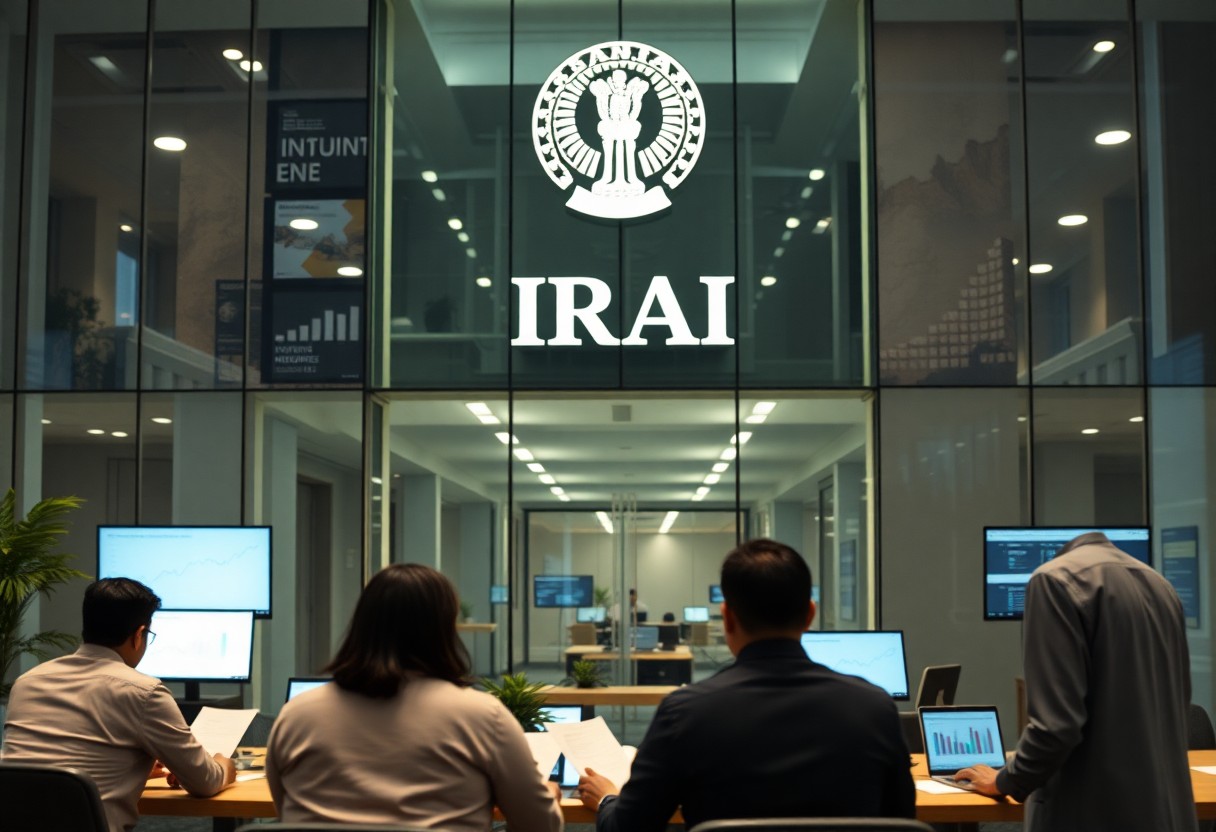
Governance and Risk Management in India’s Insurance Sector (IRDAI Focus)
Setting the Stage: The Role of the IRDAI in Financial Stability
Your understanding of financial stability in India’s insurance sector must include the pivotal role of the Insurance Regulatory and Development Authority of India (IRDAI). Established in 1999, the IRDAI not only governs the sector but also plays a fundamental role in ensuring the availability and affordability of insurance services. With more than 60 insurers operating under its supervision, the IRDAI sets strict capital adequacy norms and liquidity requirements, mitigating risks that could jeopardize policyholder’s interests. Its proactive risk assessment practices, including stress tests and solvency assessments, enhance the sector’s resilience, thus contributing significantly to the financial stability of the overall economy.
Key Takeaways:
- The Insurance Regulatory and Development Authority of India (IRDAI) plays a pivotal role in establishing governance frameworks that ensure transparency and protect the interests of policyholders.
- Robust risk management practices are vital for insurance companies to effectively address emerging risks and uncertainties in the dynamic economic landscape.
- The IRDAI has implemented guidelines to enhance corporate governance standards, including the establishment of independent boards and committees to oversee insurance operations.
- Data analytics and technology integration are increasingly important for insurers to identify risks, enhance operational efficiency, and improve customer service.
- Regular audits and assessments are mandated by the IRDAI to ensure compliance with regulatory standards and to foster a culture of accountability within insurance firms.
Crafting a Robust Risk Management Framework
Developing an effective risk management framework is fundamental to the insurer’s operational blueprint. This framework should align with regulatory expectations set forth by the IRDAI while also reflecting the unique risk profile of your organization. Emphasizing transparency and accountability, a solid framework integrates risk assessment processes, decision-making protocols, and continuous monitoring mechanisms to ensure that management can respond promptly to evolving threats.
Identifying and Analyzing Emerging Risks
In the dynamic landscape of the insurance sector, identifying and analyzing emerging risks is vital for protecting your assets and portfolio. Utilizing data analytics and environmental scanning techniques helps you discern potential vulnerabilities from climate change impacts to advancements in technology that could disrupt traditional insurance models. This proactive approach enables you to adapt and safeguard your business against unforeseen challenges.
Best Practices for Insurers in Risk Mitigation
Implementing best practices is important for effective risk mitigation in the insurance sector. Conducting regular risk assessments, involving diverse teams in the identification process, and utilizing advancements in technology for real-time monitoring are all excellent strategies. Moreover, fostering a strong risk culture within your organization, where employees are encouraged to report and address risks, further enhances your resilience to emerging threats.
For instance, adopting technology-enabled solutions like Artificial Intelligence for predictive analytics can aid in recognizing potential claims before they escalate. Staying informed about regulatory changes and industry trends ensures that your risk management framework remains relevant and effective. Case studies show that insurers who actively engage in continuous education and adaptation not only mitigate risks better but also gain competitive advantages in volatile markets. By integrating these best practices, you position your organization for long-term success and stability.
Regulatory Mechanisms and Compliance Strategies
India’s insurance sector operates under a comprehensive regulatory framework established by the Insurance Regulatory and Development Authority of India (IRDAI). Compliance strategies require insurers to adopt robust internal policies that align with these regulations, emphasizing transparency, accountability, and consumer protection. Regular audits and periodic reporting mechanisms ensure adherence to guidelines, contributing to a more secure and trustworthy marketplace.
Navigating Compliance with IRDAI Guidelines
Effective navigation of IRDAI guidelines demands a proactive approach from insurers. Engaging with legal and compliance experts can help you interpret complex regulations and implement necessary reporting and operational protocols. Utilizing technology, such as compliance management systems, offers significant advantages in tracking regulatory changes and ensuring timely adherence.
The Evolving Landscape of Regulatory Frameworks
The regulatory landscape governing India’s insurance sector is not static; rather, it adapts to financial trends, technological advancements, and consumer needs. Recent initiatives like increased digital adoption have prompted the IRDAI to refine compliance guidelines, emphasizing stringent cybersecurity measures and data privacy protocols. As a result, you must stay updated on these evolving requirements to maintain compliance and enhance your operational resilience.
For instance, the introduction of the Insurance (Amendment) Act, 2021, positions the sector to be more responsive to market dynamics while enhancing regulatory oversight. The IRDAI has also begun to focus on environmental, social, and governance (ESG) factors, encouraging companies to incorporate sustainable practices into their business models. With such developments in mind, keeping informed about regulatory shifts will empower your organization to adapt swiftly, mitigate risks, and maintain compliance in an increasingly complex environment.
The Impact of Technological Advancements on Governance
The rapid pace of technological advancements has reshaped governance structures in India’s insurance sector. Digital platforms enable insurers to streamline operations, enhancing transparency and improving stakeholder communication. Innovations such as blockchain and artificial intelligence contribute to better data management, reducing fraud and enhancing consumer trust. As the sector embraces these technologies, governance frameworks are evolving to ensure compliance with regulatory standards and ethical considerations, ultimately leading to more robust risk management practices.
Leveraging Insurtech for Enhanced Governance
Insurtech is proving instrumental in enhancing governance within the insurance landscape. By utilizing data analytics and machine learning, insurers can improve decision-making processes, monitor compliance, and foresee potential risks more effectively. This technology empowers you to identify inefficiencies and address them proactively, fostering an environment that prioritizes ethical standards and accountability. The integration of insurtech not only enhances operational performance but also aligns with regulatory expectations, promoting a culture of innovation and responsibility.
Cybersecurity Risks and Regulatory Responses
Cybersecurity poses significant challenges as the insurance landscape increasingly shifts online. The IRDAI recognizes the need for stringent regulations to mitigate these risks and safeguard consumer data. Regulatory frameworks are evolving to address liabilities associated with breaches, compelling companies to adopt comprehensive cybersecurity measures. You face greater scrutiny regarding your data protection policies, and the implementation of regular audits and risk assessments is becoming the norm to comply with emerging regulations.
With cyber threats indefinitely on the rise, the IRDAI’s response includes the introduction of mandatory cybersecurity protocols for insurance providers. The regulatory body has issued guidelines that require regular assessments of cybersecurity measures, incident reporting frameworks, and employee training programs to ensure adherence to best practices. As part of this initiative, insurers may be required to maintain stringent data encryption and breach mitigation strategies. Ensuring cybersecurity compliance not only protects your consumer base but also fortifies your reputation in an increasingly competitive market. Understanding these regulations and risks is imperative for navigating the landscape effectively and preserving customer trust.
Stakeholder Perspectives: Balancing Interests
Managing stakeholder interests in India’s insurance sector requires a delicate balance. While policyholders seek enhanced consumer protections and affordable premiums, insurers are focused on profitability and sustainability. This dynamic often leads to tensions between the need for comprehensive coverage that guarantees security for consumers and the corporate governance frameworks that aim to protect shareholder interests. Your understanding of these competing priorities is necessary in navigating the complex landscape of governance and risk management.
Consumer Protection vs. Corporate Governance
The insurance industry must prioritize consumer protection without undermining corporate governance standards. Compliance with regulations set by the IRDAI is necessary for safeguarding consumer interests, yet excessive protection can hinder innovation and lead to financial instability for insurers. You’ll find that a harmonious balance between these elements is key for fostering sustainable growth in the market.
The Role of Shareholders in Shaping Governance Practices
Shareholders wield significant influence over governance practices within insurance firms. Their demands for transparency, risk management, and ethical conduct can motivate companies to adhere to higher standards of governance. Engaging with shareholders through regular communication and feedback not only strengthens governance frameworks but also enhances your overall stakeholder trust in the organization.
Shareholders often dictate the strategic direction of insurance companies, influencing policies that align with their risk tolerance and return expectations. For example, institutional investors, who often prioritize long-term stability, advocate for robust risk management and ethical compliance. In recent years, shareholder activism has heightened around issues such as climate risk and corporate social responsibility, affecting governance practices significantly. Engaging shareholders in these discussions helps align their interests with the company’s mission, ultimately strengthening governance and ensuring sustainability in the face of evolving market dynamics. Your awareness of these shareholder pressures can enhance your approach to governance in the insurance sector.
Future Trends: Envisioning Risk Management in a Complex Landscape
The landscape of risk management in India’s insurance sector is evolving rapidly, driven by multifaceted challenges and opportunities. As you navigate this domain, anticipate a shift towards more dynamic risk assessment tools and adaptive governance frameworks that integrate emerging technologies. This new risk management paradigm will demand agility and foresight, equipping insurers to respond effectively to unpredictable market conditions and regulatory changes.
Forecasting Key Developments in Risk Management
Identifying trends in risk management is important for staying ahead. You can expect the integration of artificial intelligence and machine learning in risk evaluation processes, enhancing predictive capabilities and operational efficiency. Furthermore, sustainability and climate-related risk considerations will increasingly influence underwriting practices and investment strategies, compelling you to rethink traditional models.
The Influence of Global Practices on Indian Insurance Governance
Global practices are reshaping insurance governance within India, driving reforms and best practices. As you engage with international standards, note the growing emphasis on transparency and accountability. Companies are aligning their governance frameworks with frameworks like Solvency II and the OECD’s principles of corporate governance, thereby fostering enhanced trust among stakeholders and promoting responsible risk-taking.
Leveraging global insights helps you transform local governance structures by incorporating stringent compliance measures and robust risk management protocols. For instance, many Indian insurers are adopting international solvency standards, thereby fortifying their financial stability and resilience. The exchange of knowledge from global markets enables you to implement best practices in areas such as data protection, consumer rights, and regulatory reporting. This alignment not only reinforces the credibility of the Indian insurance sector but also enhances its competitiveness on the global stage.
Conclusion
Taking this into account, you should recognize that governance and risk management in India’s insurance sector, overseen by the IRDAI, play an integral role in ensuring market stability and consumer protection. Understanding the regulatory framework and best practices can enhance your approach to navigating this complex landscape. By adhering to sound governance principles, you not only comply with regulations but also build trust and resilience within your organization. This ensures better risk management and fosters sustainable growth in an ever-evolving market.
FAQ
Q: What role does the Insurance Regulatory and Development Authority of India (IRDAI) play in governance and risk management within the insurance sector?
A: The IRDAI serves as the primary regulatory body for the insurance industry in India, overseeing the governance frameworks and ensuring that insurers adhere to established guidelines. Its main responsibilities include formulating regulations that enhance operational transparency, enforcing compliance to maintain consumer trust, and promoting the fair treatment of policyholders. Moreover, IRDAI is tasked with overseeing risk management guidelines that insurance companies must follow to mitigate potential risks associated with underwriting, investments, and operational activities.
Q: How does effective risk management contribute to the stability of India’s insurance sector?
A: Effective risk management is integral to the stability of India’s insurance sector as it allows insurers to anticipate and mitigate potential losses that could arise from various uncertainties. By adopting comprehensive risk management practices, insurance companies can better evaluate and price the risk associated with policyholders, maintain adequate reserves, and ensure solvent business operations. This stability not only protects the financial health of the companies but also enhances consumer confidence, leading to a more resilient insurance marketplace.
Q: What measures has IRDAI implemented to improve governance standards across insurance companies in India?
A: The IRDAI has introduced several measures to enhance governance standards, including the establishment of a robust framework that mandates insurance companies to maintain a strong organizational structure, implement internal controls, and conduct regular audits. Furthermore, the IRDAI emphasizes the importance of corporate governance by instituting requirements for board composition, ensuring that directors possess the requisite experience and expertise. These initiatives aim to foster a culture of accountability, transparency, and ethical conduct within the sector.